



It starts small. A shower that takes longer to warm up, a kitchen sink that drains just a little slower, or a faucet that doesn’t flow like it used to. Most people brush it off as minor inconvenience. But those subtle changes often signal something bigger happening inside your plumbing system. Across the country, plumbing experts are seeing a sharp rise in household damage caused by issues that began with nothing more than slow drains and weak water pressure.
Small problems that lead to big bills
A slow drain might not seem like an emergency, but it rarely fixes itself. It usually means there’s a partial blockage forming inside the pipe. Over time, that buildup grows as grease, soap, hair, and debris collect. The result can be a complete clog or even pipe damage.
If you notice one drain moving slowly, you might think it’s an isolated problem. But when multiple fixtures start draining slowly at once, it often means a blockage in the main sewer line. That’s when things get expensive. Backed-up wastewater can cause floor damage, foul odors, and health hazards.
Low water pressure can point to a different set of issues. Sometimes it’s a simple aerator that needs cleaning, but it can also signal corroded pipes, hidden leaks, or a failing pressure regulator. In older homes, aging galvanized steel pipes often corrode from the inside, slowly reducing water flow until replacement becomes necessary.
Water pressure tells a story
Water pressure is more than just convenience. It affects how your entire plumbing system functions. If the pressure is too low, appliances like washing machines or dishwashers may not work properly. If it’s too high, it can stress pipe joints, seals, and valves.
The ideal household water pressure sits between 40 and 60 psi (pounds per square inch). Anything consistently below that can indicate a problem that deserves a closer look. A Toronto plumber can use a simple gauge to test your system and pinpoint whether the cause lies within your home or your municipal supply.
The hidden danger of leaks
Low pressure and slow drains often come with another hidden issue: leaks. When water escapes from joints or pinholes in pipes, it not only wastes water but also damages surrounding materials. A hidden leak can soak insulation, warp flooring, and encourage mold growth before it’s ever visible.
Plumbers use modern tools such as pressure testing, moisture sensors, and thermal imaging to locate leaks behind walls or under slabs. Finding and fixing them early saves hundreds of dollars in repair costs and prevents structural damage that could take months to fix.
When to act and when to call a professional
Homeowners can handle small maintenance tasks, but knowing when to call for help makes all the difference. If your sink drains slowly, start with a simple plunger or a mixture of baking soda and vinegar, followed by hot water. Avoid chemical drain cleaners, as they can corrode pipes and harm the environment.
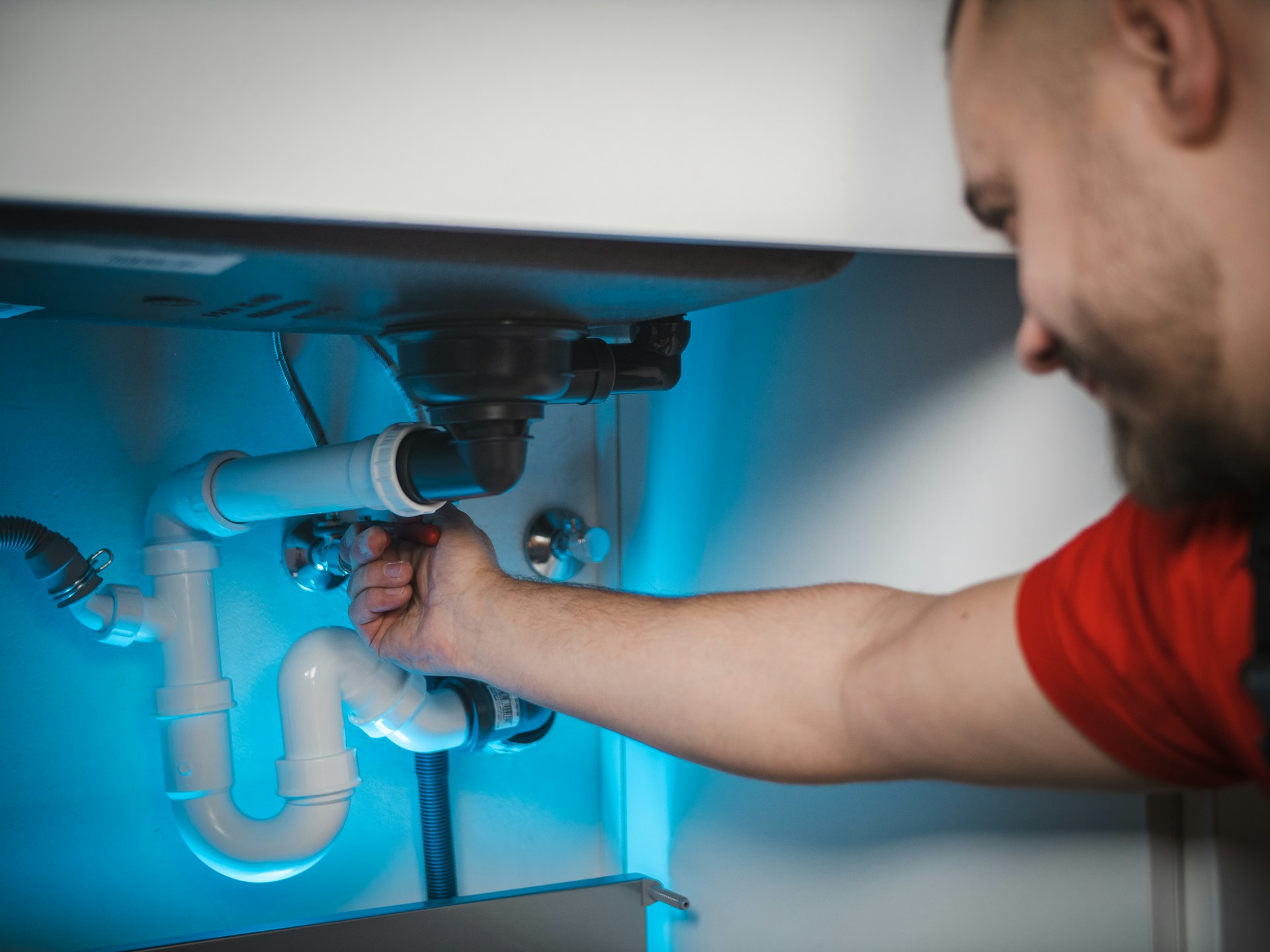
If the problem keeps coming back or affects multiple drains, it’s time to bring in a professional. A plumber can inspect the line with a small camera, locate blockages, and clear them without damaging the system. Similarly, if you notice persistent low pressure, uneven flow between hot and cold water, or wet spots on walls or ceilings, get it checked right away.
How regular maintenance prevents these problems
Routine plumbing maintenance keeps small issues from turning into disasters. Annual inspections often include checking water pressure, testing shutoff valves, cleaning aerators, and clearing slow drains before they become clogged.
Homeowners can also take preventive steps throughout the year:
-
Clean faucet aerators and showerheads every few months
-
Avoid pouring grease down the drain
-
Use mesh screens over sink and shower drains to trap debris
-
Know where the main shutoff valve is and ensure it works properly
-
Watch your water bill for unexplained increases, which can signal leaks
These simple habits help maintain smooth water flow and reduce the risk of sudden failures.
The connection between plumbing and health
Beyond financial damage, neglected plumbing can affect household health. Standing water from slow drains becomes a breeding ground for bacteria and pests. Mold from hidden leaks releases spores that trigger allergies and respiratory problems. Even small drips create damp environments where harmful microorganisms thrive.
Addressing plumbing issues early protects both the home’s structure and the people living in it. That’s why public health officials often include plumbing maintenance in their safety guidelines, especially for older properties and apartment buildings.
A growing concern across the country
As Canada and the United States invest in infrastructure renewal, experts are also urging homeowners to modernize private plumbing systems. Many homes still rely on outdated materials installed decades ago. Replacing old piping, installing pressure regulators, and adding backflow preventers help protect both individual households and local water systems.
With water conservation becoming a national priority, efficient plumbing is more than a personal responsibility. It’s part of a collective effort to manage limited water resources and prevent contamination. Slow drains and low pressure might seem trivial, but they can point to problems that affect entire neighborhoods if left unchecked.
A simple fix that saves time, money, and stress
Paying attention to how your water flows can reveal a lot about your home’s health. What starts as a small nuisance can become a costly repair if ignored. Regular maintenance, timely repairs, and a bit of awareness go a long way toward keeping your plumbing reliable.
If your drains are moving slowly or your water pressure isn’t what it used to be, don’t wait until you have an emergency. Get it checked, fix the cause, and rest easy knowing your system is working as it should. A quick call today can prevent major damage tomorrow, saving you money and keeping your home safe, efficient, and comfortable for years to come.
